Doctor of Psychology (PsyD)
Health Service Psychology, Combined Clinical-School Model
Program Overview
The Francis Marion University Doctor of Psychology (PsyD) program prepares students for entry-level practice in health service psychology.
- Full-time, predominantly in-person, campus-based doctoral training.
- Focus on underserved populations.
- Combined clinical-school model.
Why FMU's PsyD?
Training Model and Program Aims
Four-Year Training Timeline
Foundations
and Early Practica
Advanced
Coursework and
Practica
Advanced Training
plus Doctoral
Culminating Project
Approved Internship
and Final Doctoral
Culminating
Requirements if Needed
Practicum, Internship, and Doctoral Culminating Project
Practicum
Supervised practice occurs across the first three years and are cumulative and graded in complexity.
What Students Do
Students gain hands-on experience in clinical, school, healthcare, and community settings under licensed supervision and program oversight.
Internship
Students complete an approved doctoral internship in year 4.
What Students Do
Students apply integrated skills in a full-time, supervised professional setting to advance competence and readiness for entry-level practice.
Doctoral Culminating Project
Students complete a Capstone Project or Dissertation beginning in Year 3.
What Students Do
Students conduct and synthesize scholarly work that advances evidence-based practice in health service psychology.
Admissions
Prerequisites
Recommended minimum 3.0 GPA (4.0 scale)
Applicants must have completed the following prerequisites:
- One semester of general biology
- One semester of behavioral statistics
- One semester of general psychology
- One semester of developmental psychology
How to Apply
- Complete the online application
- Submit required materials:
- Official transcripts from all institutions attended
- Two letters of recommendation
- Personal statement
- Any additional materials required in the current admissions cycle
- Interview for selected qualified applicants
Priority deadline: February 1
License and Professional Preparation
FMU’s PsyD program is designed to prepare candidates for licensure-eligible, entry-level professional practice in health service psychology, subject to jurisdiction-specific requirements.
Graduate Career Opportunities
Graduates of the FMU Doctor of Psychology (PsyD) Program are prepared for entry-level practice in health service psychology following completion of doctoral education, internship, and applicable state licensure requirements.
Graduates may pursue positions in:
-
Community mental health centers
-
Hospitals and integrated healthcare systems
-
Primary care and integrated behavioral health settings
-
School districts
-
University counseling centers
-
Academic medical centers
-
Private practice
-
Government agencies
-
Behavioral health organizations
-
Rural and underserved communities
-
Other health service psychology settings
Official Disclosures
Francis Marion University and the PsyD program are committed to an inclusive learning environment that is free from discrimination and harassment.
The program welcomes applicants and students from diverse backgrounds and provides reasonable accommodations and accessibility services for qualified individuals with disabilities in accordance with applicable federal and state law and University policy.
Students and applicants may review the university’s Non-Discrimination Policy, Accessibility and Disability Resources, and Title IX information using the links below.
Although the PsyD Program is delivered fully in person, limited instructional activities or supervision may occasionally incorporate secure electronic technologies when appropriate. In those instances, the program and University follow secure, privacy-preserving procedures for positive student identification consistent with the Higher Education Opportunity Act, University policy, and applicable accreditation expectations.
Consistent with the public disclosure requirements of the American Psychological Association Commission on Accreditation, the PsyD Program annually publishes information regarding:
- Student admissions
- Program costs
- Attrition
- Time to degree
- Internship placement
- Licensure rates
- Graduate employment outcomes (when available)
Current admissions and educational outcome data are available through the Student Admissions, Outcomes, and Other Data page.
Additional outcome data will be posted as graduating cohorts become eligible for reporting under APA requirements.
Francis Marion University is institutionally accredited by the Southern Association of Colleges and Schools Commission on Colleges.
The Doctor of Psychology (PsyD) program in Health Service Psychology at Francis Marion is pursuing accreditation from the Commission on Accreditation of the American Psychological Association as a combined Clinical-School doctoral program.
The program is not currently accredited by the APA Commission on Accreditation. Intent to Apply is not an accredited status and does not constitute a judgment by the Commission on Accreditation regarding program quality.
Questions related to the program’s accreditation status may be directed to the APA Office of Program Consultation and Accreditation.
Program Contact
-
Dr. Hagler MatthewDr. Matthew Hagler Associate Program Director, PsyD Program, Clinical/Counseling Option Coordinator, Assistant Professor of Psychology Matthew.Hagler@FMarion.edu Phone843-661-1574 DepartmentsPsychologyPsyDOfficeCEMC 109-BMore info

-
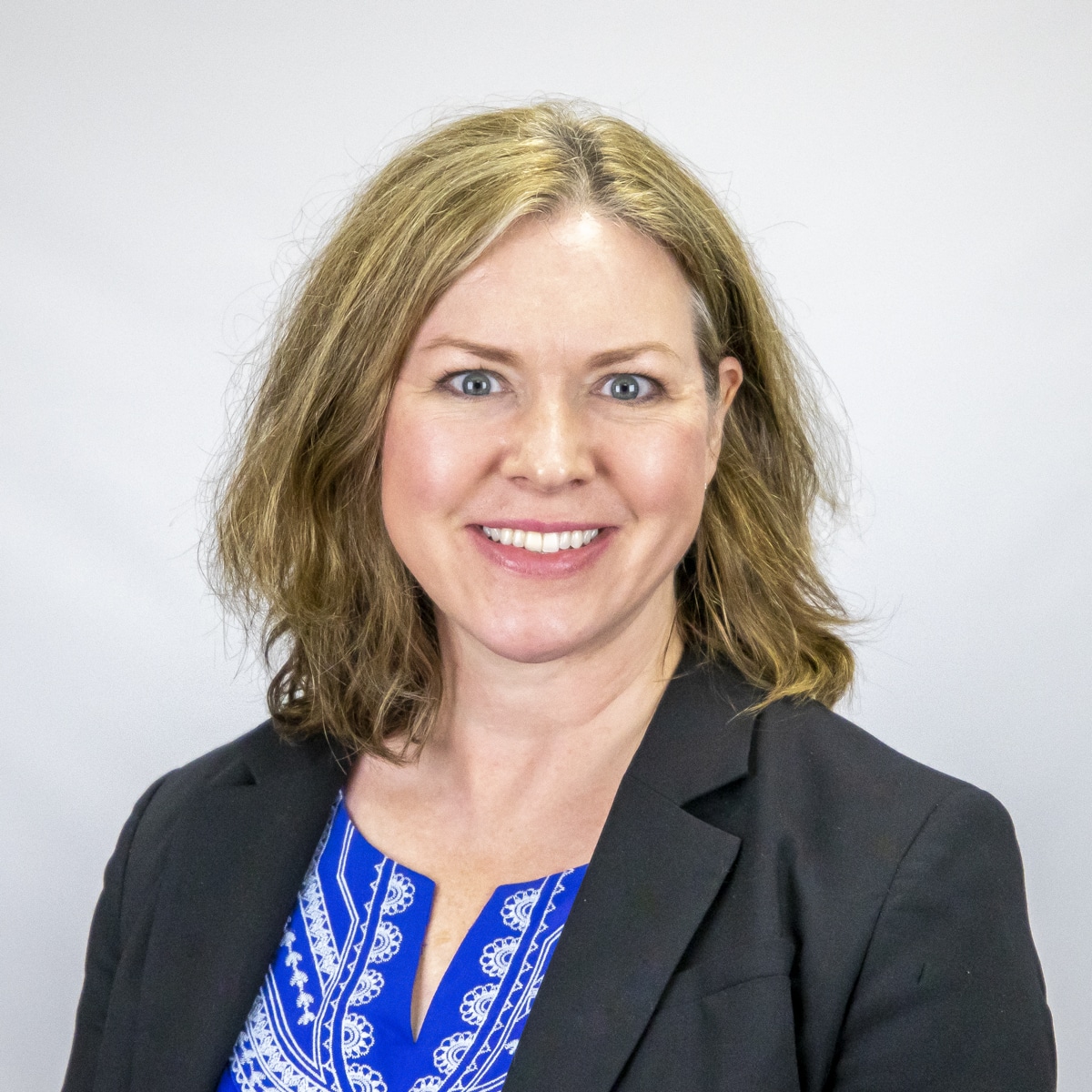
Dr. Hill-Chapman Crystal R.Dr. Crystal R. Hill-Chapman Program Director, PsyD Program, School Option Coordinator, Professor of Psychology chillchapman@fmarion.edu Phone843-661-1721 DepartmentsPsychologyPsyDOfficeCCHS 238More info
-
Stephens CharlotteCharlotte Stephens Senior Administrative Assistant - Psychology cstephens@fmarion.edu Phone843-661-1641 DepartmentsPsychologyPsyDOfficeCEMC 109-HMore info

-
Dr. Hagler MatthewDr. Matthew Hagler Associate Program Director, PsyD Program, Clinical/Counseling Option Coordinator, Assistant Professor of Psychology Matthew.Hagler@FMarion.edu Phone843-661-1574 DepartmentsPsychologyPsyDOfficeCEMC 109-BAdditional information
Hagler, M. A., Christensen, K., & Rhodes, J. E. (2021). A longitudinal investigation of first-generation college students’ mentoring relationships during their transition to higher education. Journal of College Student Retention: Theory, Research & Practice. DOI: 10.1177/15210251211022741
Hagler, M. A., McQuillin, S. D., & Rhodes, J. E. (2020). Ideological profiles of U.S. adults and their support for youth mentoring. Journal of Community Psychology, 48(2), 209-224. DOI: 10.1002/jcop.22247
Christensen, K., Hagler, M., Stams, G. J., Raposa, E. B., Burton, S., & Rhodes, J. E. (2020). Non-specific versus targeted approaches to youth mentoring: A follow-up meta-analysis. Journal of Youth and Adolescence, 49, 959-972. DOI: 10.1007/s10964-020-01233-x
Hagler, M., Zwiebach, L., Rhodes, J. E., & Rappaport, C. D. (2019). Mentoring interventions for children of incarcerated parents. In J. M. Eddy & J. Poehlmann-Tynan (eds.), Handbook on Children of Incarcerated Parents, Second Edition (pp. 205-217). Springer. DOI: 10.1007/978-3-030-16707-3_14
Hagler, M., & Rhodes, J. E. (2018). The long-term impact of natural mentoring relationships: A counterfactual analysis. American Journal of Community Psychology, 62(1-2), 175-188. DOI: 10.1002/ajcp.12265
Hagler, M. (2018). Processes of natural mentoring that promote underrepresented students’ educational attainment: A theoretical model. American Journal of Community Psychology, 62(1-2), 150-162. DOI: 10.1002/ajcp.12251
-
Dr. Hill-Chapman Crystal R.Dr. Crystal R. Hill-Chapman Program Director, PsyD Program, School Option Coordinator, Professor of Psychology chillchapman@fmarion.edu Phone843-661-1721 DepartmentsPsychologyPsyDOfficeCCHS 238Additional information
Bio
Crystal Reneé Hill-Chapman is a Licensed Psychologist, Nationally Certified School Psychologist, Level III School Psychologist and has been awarded Board Certification in Clinical Child Psychology by the American Board of Professional Psychologists (ABPP). She received her Bachelor of Arts from Francis Marion University, her Master of Science in Applied Psychology from Francis Marion University, a Doctor of Philosophy from Texas A&M University – College Station, and a Certificate of Advanced Graduate Study in Clinical Genetics from Simmons College. She currently teaches Careers in Psychology, Introduction to Behavioral Genetics, Introduction to Pediatric Psychology, Child Development, as well as sections of the Beginning, Intermediate, and Senior Research courses for the undergraduate major in Psychology. For the graduate program in Clinical/Counseling Psychology and School Psychology, she teaches Consultation with Diverse Families and Communities; Career-Lifestyle Counseling: Theory and Practice; Child/Adolescent Counseling and Therapy; School-Wide Prevention, Intervention and Crisis Programs; Psychoeducational Assessment: Intelligence, Ability and Achievement Testing in School Psychology; as well as the related practica to accompany these courses and is Coordinator of Graduate Studies in School Psychology. She also serves as a thesis advisor/consultant for students enrolled in the Genetic Counseling Program at the University of South Carolina – School of Medicine. In addition, she serves as Graduate Program Reviewer for the National Association of School Psychologists and as a reviewer for the Journal of Genetic Counseling and Teaching Children of Poverty.
Selected Publications
- Herzog, T. K., & Hill-Chapman, C.R. (2012). Relationship formation and early risk exposure: Diverging associations with romantic self-concept and attachment. Journal of Adult Development, 19(5), 250-265.
- Hill, C. R. & Hughes, J. N. (2007). Further evidence of the convergent and discriminant validity of the strengths and difficulties questionnaire. School Psychology Quarterly, 22, 380-406.
- Hughes, J. N., Zhang, D. & Hill, C. R. (2006). Peer assessments of normative and individual teacher-student support predict social acceptance and engagement among low-achieving children. Journal of School Psychology, 43, 447-463.
-
Stephens CharlotteCharlotte Stephens Senior Administrative Assistant - Psychology cstephens@fmarion.edu Phone843-661-1641 DepartmentsPsychologyPsyDOfficeCEMC 109-HAdditional information
Bio
Charlotte Stephens is the Administrative Assistant in the Psychology Department. She earned her Bachelor of Science in Psychology from Francis Marion University. She is a lifetime member of Psi Chi.
Meet the class of 2030